
Introduction to Artisan Pizza Dough
When it comes to making pizzas at home, using artisan pizza dough can truly revolutionize your experience. Forget the store-bought varieties with their lackluster flavors and chewy textures. By crafting your own artisan dough, you embrace an art form that balances crispy, chewy, and bubbly perfection.
Why Artisan Pizza Dough is a Game Changer for Homemade Pizzas?
Think about it: you’ve got friends over for a casual evening, and pizza is always a crowd-pleaser. What if I told you that the difference between a good pizza and an unforgettable one often lies in the dough? The magic of artisan pizza dough is not just in its taste but also in the experience of making it. We’re talking about a deep, rich flavor from fermentation and a delightful texture that you can only achieve by mixing quality ingredients and allowing your dough to rest.
One of the best parts about making your own artisan dough at home is the versatility it offers. You can play around with various types of flours – consider experimenting with whole wheat or even gluten-free options. This flexibility ensures you can create a crust that suits your taste and dietary preferences while allowing creativity in topping combinations.
Moreover, the artistry involved in stretching, shaping, and tossing your pizza can be incredibly therapeutic. This hands-on process is a great way to unwind after a long day, and it’s also a fantastic way to impress your guests. According to a study by the American Journal of Lifestyle Medicine, engaging in creative cooking can boost your mood and improve mental health—making pizza night not just delicious, but a great way to foster connections and spark joy.
Tips for Success
- Use High-Quality Flour: The foundation of great dough starts with flour. Opt for bread flour, which has a high protein content, making for a chewy crust.
- Don’t Rush the Fermentation: Allowing your dough to ferment and rise for at least 24 hours can unlock deeper flavors and a more complex texture.
- Invest in a Good Stone or Steel: Using a pizza stone or steel in your oven can help replicate that professional pizza oven experience by providing high, even heat.
Ready to dive into the world of artisan pizza dough? Your homemade pizza adventure awaits! For more tips on mastering this craft, check out resources from Serious Eats or King Arthur Baking Company. Happy baking!
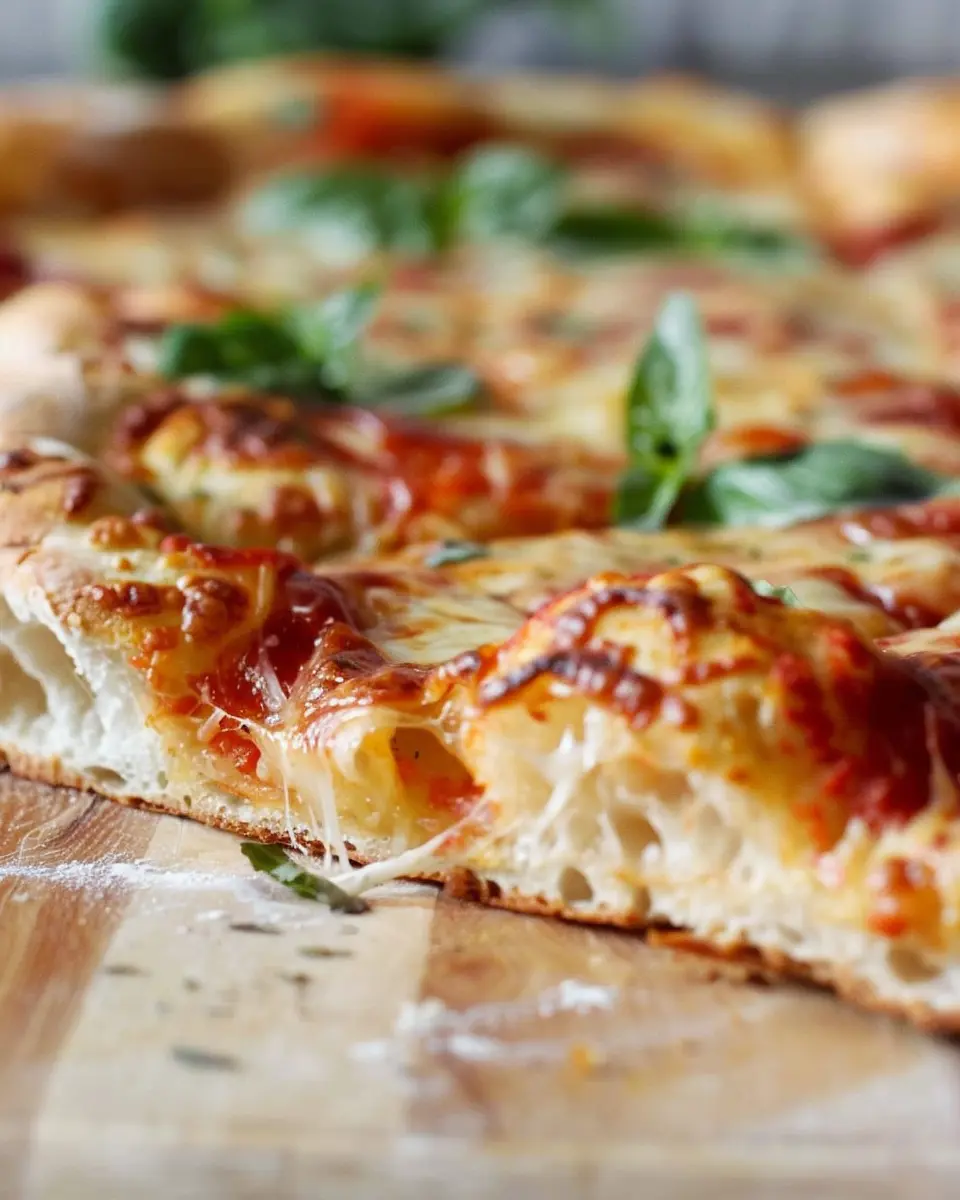
Ingredients for Artisan Pizza Dough
Essential ingredients for the perfect crust
Creating the dream artisan pizza dough starts with selecting the right ingredients. Each component plays a critical role in achieving that sought-after crispy, chewy, and bubbly crust. Here’s what you’ll need:
-
High-Quality Flour: Opt for bread flour or all-purpose flour with high protein content (12-14%) for better gluten development. This gives your crust its delightful chewiness.
-
Water: Hydration is key! Use lukewarm water for activating yeast and helping the dough rise. Aim for approximately 60-65% hydration for a balanced dough.
-
Yeast: Active dry yeast or instant yeast works beautifully. These little powerhouses are responsible for making your dough rise and creating those air pockets.
-
Salt: A crucial ingredient for flavor enhancement. It also strengthens the dough structure. Use kosher or sea salt for the best results.
-
Olive Oil: A splash of extra virgin olive oil enriches your dough, contributing to its flavor and texture.
Focusing on these quality ingredients will elevate your pizza game dramatically. For more tips on how to choose the best flour, check out King Arthur Baking. Ready to get started? Grab your ingredients, and let’s make some magic!
Preparing Artisan Pizza Dough
Creating the perfect artisan pizza dough is a labor of love, but the rewards are well worth the effort. This recipe will guide you through the essential steps, ensuring you achieve that crispy, chewy, and bubbly crust you’ve been dreaming of. Ready to get your hands doughy? Let’s dive in!
Combine the Flour and Water
The foundation of any great pizza dough starts with the right flour and water combination. For artisan pizza dough, a high-protein flour like bread flour works best. It helps develop the gluten and gives that lovely chewiness. Here’s how to get started:
- Measure your ingredients: Use about 4 cups of bread flour and 1.5 cups of water. It’s essential to use room-temperature water to ensure the yeast activates correctly.
- Mix them together: In a large mixing bowl, combine the flour and water until no dry flour remains. This can be done with a wooden spoon or even your hands. The goal is to create a shaggy mixture; don’t worry about achieving a smooth consistency just yet.
Letting the dough rest for a short period allows for optimal hydration.
Rest the Dough for Hydration
After combining the flour and water, it’s crucial to let the dough rest. This process is known as autolyse, and it plays a vital role in the development of your artisan pizza dough.
- Cover and let it sit: Allow the dough to rest for about 20-30 minutes. This gives the flour time to absorb the water thoroughly, leading to better gluten formation.
- Why it’s important: According to bread-baking experts, this resting phase allows enzymes in the flour to break down starches into sugars, improving flavor and texture.
Mix in Yeast and Salt
Once your dough has hydrated sufficiently, it’s time to mix in the yeast and salt. These two ingredients are the magic workers that help your dough rise.
- Choose your yeast: Use about 1 teaspoon of active dry yeast or instant yeast. If you’re unsure, King Arthur Flour has excellent guidelines on yeast types and usage.
- Incorporate salt: Add about 1.5 teaspoons of salt. Salt enhances flavor and helps control yeast fermentation, which is crucial for developing that lovely texture.
- Mix thoroughly: Combine the yeast and salt into the shaggy dough. This can take some elbow grease, but trust me, it’s a key step in crafting your artisan pizza dough.
Develop Gluten Through Folding
Here’s where we get transformative! Developing gluten is pivotal for that perfect pizza texture.
- The folding technique: Instead of traditional kneading, use a folding method. With damp hands, grab one side of your dough and stretch it up, then fold it over itself. Turn the bowl a quarter turn and repeat. Do this for about 5-10 minutes until the dough becomes elastic.
- Rest again: After folding, allow the dough to rest for about 30 minutes. This rest period is paramount for the gluten to relax and further develop.
Shape and Let Rise
Now that you’ve nurtured your dough, it’s time to shape it and let it rise!
- Shape into a ball: Turn the dough out onto a lightly floured surface and shape it into a ball. Use your hands to tuck the edges towards the center.
- Rise: Place your dough in a lightly greased bowl, cover it with a damp cloth, and let it rise in a warm area until it doubles in size, which usually takes about 1.5 to 2 hours.
- Preheat your oven: While the dough is rising, preheat your oven to the highest setting — typically around 475-500°F. This ensures a hot environment to achieve that crispy, bubbly crust.
As you progress through these steps, take a moment to enjoy the transformation happening in your kitchen. Each phase builds on the last, leading you to a delicious artisan pizza experience.
Why not invite a friend over for a pizza night and share your masterpiece? Happy baking!

Variations on Artisan Pizza Dough
Creating the perfect artisan pizza dough doesn’t have to stop at the classic white flour version. Here are two fantastic alternatives that could suit your dietary preferences or adventurous palate.
Whole Wheat Artisan Pizza Dough
If you’re looking to add a nutritional boost to your pizza nights, whole wheat artisan pizza dough is fantastic. It offers a subtle nutty flavor and is packed with fiber. To make this variation:
- Substitution: Swap out half of your all-purpose flour for whole wheat flour. This helps maintain the dough’s chewiness while infusing it with health benefits.
- Hydration: Whole wheat flour absorbs more liquid, so increase your water slightly, about 10-15%.
- Flavor Enhancements: Consider adding a tablespoon of olive oil to keep the dough moist and improve texture.
Whole wheat dough not only tastes great but also makes you feel good about what you’re eating! If you’d like a more in-depth guide on the benefits of whole grains, you might find this article on Whole Grains Council helpful.
Gluten-Free Artisan Pizza Dough
For those avoiding gluten, crafting a gluten-free artisan pizza dough can be just as delightful! Here’s how you can achieve that:
- Flour Mix: Use a blend of gluten-free flours (like almond, rice, or tapioca flour) for a balanced texture. There are excellent store-bought blends available that simplify this process.
- Binding Agents: Incorporate xanthan gum or ground flaxseed for added elasticity. This will help mimic the chewy consistency of traditional dough.
- Moisture Control: Gluten-free flours can be drier, so monitor water content closely and adjust as needed.
Making your own gluten-free dough ensures that you can personalize flavors to suit your taste buds. For tips and tricks on gluten-free baking, check out resources from the Gluten Intolerance Group.
With these variations, your pizza night can accommodate everyone, ensuring that your artisan pizza dough is delicious, regardless of dietary needs!
Cooking Tips and Notes for Artisan Pizza Dough
Understanding Dough Consistency
When working with artisan pizza dough, aim for a slightly tacky texture that’s not so wet it sticks to your fingers. A great way to achieve this is by adjusting your flour based on humidity levels. For best results, consider using bread flour, which has a higher protein content, giving you that ideal chewiness. If you’re uncertain about the perfect consistency, remember: it’s easier to add flour than to take it away!
Tips for Perfect Oven Temperature
Your oven temperature plays a crucial role in the final product. Preheat it to an incredible 475°F (245°C), letting it reach full heat before sliding in your pizza. If you can, use a pizza stone; it absorbs heat and creates that restaurant-quality crust. Pro tip: placing your pizza on a preheated stone can create an amazing crispy layer that will have your friends raving.
Recommended Tools for Better Results
Investing in the right tools can elevate your pizza-making game! Here are some essentials:
- Pizza Stone or Steel: For crispy crusts.
- Pizza Peels: To easily transfer dough in and out of the oven.
- Bench Scraper: Perfect for handling sticky dough.
For more detailed insights, check out this guide on pizza-making tools. Happy cooking!

Serving suggestions for Artisan Pizza Dough
Best toppings for your artisan pizza
When it comes to toppings, the sky’s the limit with artisan pizza dough! Here are some crowd-pleasers that will elevate your pizza game:
- Fresh basil and mozzarella: A classic Margherita that’s simple yet delightful.
- Turkey bacon and pineapple: This sweet and savory combo will surprise your guests, adding a tropical flair.
- Roasted vegetables: Think bell peppers, zucchini, and red onion for a vibrant veggie pizza.
- Chicken ham and arugula: Top with fresh arugula right after baking for a peppery crunch.
Feeling adventurous? Try drizzling a bit of truffle oil or a sprinkle of Parmesan cheese right before serving for that gourmet touch.
Pairing suggestions for a complete meal
To round out your artisanal pizza experience, consider serving it with:
- Mixed greens: A light salad with olive oil dressing complements the richness of the pizza.
- Garlic knots: These are a fun side that pairs perfectly with pizza.
- Lemonade or sparkling water: Keep it refreshing and light with a homemade lemonade or flavored sparkling water.
With these suggestions, your pizza night will surely impress. Enjoy crafting and savoring every bite! For more tips on pizza-making, check out this guide on pizza styles.
Time Breakdown for Artisan Pizza Dough
When you’re whipping up some delicious artisan pizza dough, it’s all about timing. Let’s break down how your time will be spent to help you plan your pizza night effectively.
Preparation Time
The preparation for your dough is quick and straightforward! You’ll need about 15-20 minutes to combine your ingredients, knead the dough, and get everything ready.
Rising Time
Patience is key! Allow your artisan pizza dough to rise for approximately 1 to 2 hours at room temperature, or you can opt for cold fermentation in the fridge for up to 24 hours for enhanced flavor.
Baking Time
Once your dough has risen and is ready to be topped, it typically takes about 10-15 minutes to bake in a preheated oven. Aim for that perfect golden-brown crust!
Total Time
So, if you’re counting, you’re looking at about 1.5-2 hours (or longer with cold fermentation) from start to finish before you’re diving into your homemade pizza masterpiece!
For more insights on dough-making techniques, check out Serious Eats for expert advice. Happy pizza-making!
Nutritional facts for Artisan Pizza Dough
When making your homemade artisan pizza dough, it’s helpful to know its nutritional profile. Here’s a quick breakdown to keep in mind:
Calories per serving
One serving of artisan pizza dough typically contains around 220-250 calories. This makes it a satisfying base for your favorite toppings while allowing you to customize your meal without breaking the calorie bank.
Protein content
You’ll find that artisan pizza dough has about 7-9 grams of protein per serving. This is essential for those looking to maintain their energy levels throughout the day or repair muscles after a workout.
Sodium levels
Sodium content in artisan pizza dough can range from 400-500 mg per serving, depending on your recipe. While sodium is necessary for body function, balancing it with fresh toppings, like veggies or lean proteins, can help maintain overall health.
For more detailed insights on healthy eating, check out the USDA’s MyPlate for tips on balancing your diet!
FAQs about Artisan Pizza Dough
Making artisan pizza dough is an art, but it often comes with a few questions. Here are some of the most common FAQs to help you unlock your dough-making potential.
What is the ideal temperature for proofing dough?
The ideal temperature for proofing artisan pizza dough is between 75°F and 80°F (24°C to 27°C). This warmth encourages yeast activity, leading to a beautifully risen dough. If your kitchen is cooler, consider using your oven with just the light on or placing the dough near a warm spot, like on top of the fridge, to maintain that cozy environment. If you want further insights on yeast activation, check out resources from King Arthur Baking.
Can I freeze artisan pizza dough?
Absolutely! Freezing artisan pizza dough is a great way to prepare for unexpected pizza nights. Simply shape the dough into a ball and wrap it tightly in plastic wrap before placing it in an airtight container or freezer bag. When you’re ready to use it, thaw the dough in the refrigerator overnight and let it sit at room temperature for about 30 minutes before shaping. This helps revive the yeast, ensuring a great texture.
How do I know when my dough has risen enough?
Knowing when your artisan pizza dough has risen enough takes a bit of practice, but there are a couple of signs to watch for:
- Double in Size: A good rule of thumb is to wait until the dough has roughly doubled in size.
- Poke Test: Gently poke the dough with a finger. If it springs back slowly, it’s ready; if it springs back quickly, it needs more time to rise.
If you keep these tips in mind, you’ll become a pro at dough-making in no time!
Conclusion on Artisan Pizza Dough
Making your own artisan pizza dough is truly a rewarding experience. There’s something magical about mixing flour, water, and yeast into a soft ball of dough, and then watching it transform into a bubbly, crispy masterpiece. The joy extends beyond just the baking process; it offers an opportunity to bond with friends or family over a delicious meal. Imagine gathering around a table, sharing toppings, and creating unique flavor combinations!
Whether you’re a seasoned chef or a kitchen newbie, diving into pizza-making can invigorate your culinary journey. With this versatile dough, the possibilities are almost endless. Ready to make your pizza night memorable? Check out more tips on making the perfect pie here!
PrintArtisan pizza dough: Best recipe for a crispy, chewy crust

Make your own artisan pizza dough with this best recipe for a crispy, chewy crust.
- Prep Time: 15 minutes
- Cook Time: 20 minutes
- Total Time: 2 hours 35 minutes
- Yield: 2 large pizzas 1x
- Category: Pizza
- Method: Baking
- Cuisine: Italian
- Diet: Vegetarian
Ingredients
- 4 cups all-purpose flour
- 1 ½ cups warm water
- 2 teaspoons salt
- 1 teaspoon sugar
- 2 teaspoons active dry yeast
Instructions
- Dissolve the sugar in warm water and sprinkle yeast on top. Let it sit until frothy.
- In a large bowl, combine flour and salt. Make a well in the center.
- Pour the yeast mixture into the well and mix until a dough forms.
- Knead the dough on a floured surface for about 10 minutes.
- Place the dough in a greased bowl, cover, and let rise until doubled in size.
- Punch down the dough, shape it as desired, and let it rest before baking.
Notes
- For best results, use high-protein bread flour instead of all-purpose flour.
- Letting the dough rest improves flavor and texture.
Nutrition
- Serving Size: 1 slice
- Calories: 250
- Sugar: 1g
- Sodium: 400mg
- Fat: 1g
- Saturated Fat: 0g
- Unsaturated Fat: 0g
- Trans Fat: 0g
- Carbohydrates: 50g
- Fiber: 2g
- Protein: 8g
- Cholesterol: 0mg
Keywords: artisan pizza dough, crispy crust, chewy crust